
🎮 The Rise of Popular Games in the Modern Era
Gaming has transformed from a simple pastime into a major part of global culture. What once started with basic pixelated screens and limited mechanics has now evolved into vast digital worlds filled with lifelike graphics, complex storytelling, and real-time interaction with players from across the globe. Today, popular games are not just about entertainment—they are social platforms, creative outlets, and even professional careers for many.
One of the most noticeable changes in gaming is how accessible it has become. In the past, playing video games required expensive consoles or high-end computers. Now, anyone with a smartphone can dive into engaging experiences within seconds. This shift has opened the doors for millions of new players, making gaming more inclusive than ever before. Whether someone prefers quick puzzle games during a commute or long, immersive adventures at home, there is something available for every type of player.
Another important factor behind the rise of popular games is the strong sense of community they create. Modern games are rarely played in isolation. Multiplayer features allow friends and even strangers to connect, compete, and collaborate in real time. This social aspect has turned gaming into a shared experience, where players build friendships, form teams, and participate in global events. Online streaming platforms have further strengthened this connection by allowing gamers to share their gameplay with audiences worldwide, turning ordinary players into influencers and entertainers.
The diversity of game genres also plays a significant role in their popularity. Action-packed shooters, strategy-based simulations, creative sandbox worlds, and story-driven adventures all appeal to different interests and age groups. This variety ensures that gaming never feels repetitive or limited. Developers continuously experiment with new ideas, blending genres and introducing innovative mechanics that keep players engaged for longer periods.
Technological advancements have pushed gaming to new heights. High-definition graphics, realistic physics, and artificial intelligence have made virtual environments feel incredibly real. Players can explore detailed landscapes, interact with intelligent characters, and experience stories that rival movies in depth and emotion. Features like cross-platform play have also made it easier for people using different devices to enjoy games together without barriers.
Another reason for the growing popularity of games is the constant stream of updates and new content. Unlike older games that remained the same after release, modern titles evolve over time. Developers introduce new levels, characters, challenges, and seasonal events to keep the experience fresh. This ongoing support encourages players to return regularly, maintaining a strong and active player base.
Esports has also contributed to making games more popular than ever. Competitive gaming has turned into a global phenomenon, with tournaments offering massive prize pools and attracting millions of viewers online. Professional players train for hours, just like traditional athletes, and gain recognition for their skills. This has inspired many young gamers to take their passion seriously and even consider it as a career path.
At the same time, gaming has become a powerful form of storytelling. Many modern games focus on deep narratives, emotional journeys, and meaningful choices. Players are no longer just controlling characters—they are becoming part of the story itself. This level of immersion creates a strong emotional connection, making games memorable long after they are finished.
In addition, the rise of free-to-play models has made gaming more approachable. Many popular games can be downloaded and played without any upfront cost, allowing users to try them before deciding to spend money. This model has attracted a wider audience and helped games reach global popularity quickly.
Overall, the rise of popular games reflects how technology, creativity, and community have come together to reshape entertainment. Gaming is no longer limited to a specific group or age—it is a universal activity enjoyed by people from all walks of life. As innovation continues, the future of gaming looks even more exciting, promising experiences that are more immersive, interactive, and inclusive than ever before.
🎯 Why Certain Games Become Massively Popular
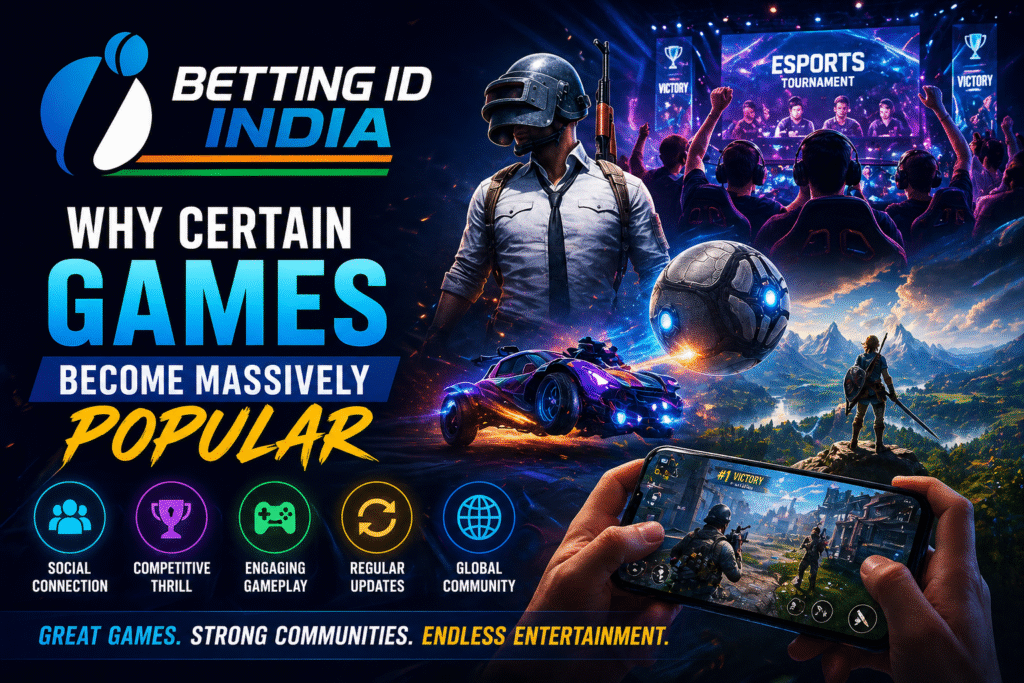
Not every game manages to capture global attention, and the difference between an average title and a massively popular one often comes down to a combination of smart design, timing, and player connection. While graphics and technology matter, they are rarely the only reasons behind a game’s success. What truly sets popular games apart is how they make players feel and how well they keep them coming back.
One of the biggest reasons certain games rise to the top is simplicity combined with depth. The most successful titles are easy to understand at first but offer layers of complexity as players spend more time with them. This balance allows beginners to enjoy the game without feeling overwhelmed, while experienced players can continue improving their skills. A game that is too complicated from the start risks losing new players, while one that lacks depth quickly becomes boring. Striking the right balance is what keeps a game alive for years.
Another important factor is the sense of progression. Players enjoy feeling that their time and effort are leading to something meaningful. Whether it is unlocking new levels, earning rewards, upgrading characters, or improving rankings, progress gives players a reason to stay engaged. Many popular games are designed in a way that constantly provides small achievements, creating a satisfying loop that encourages continued play.
Social interaction also plays a huge role in making games popular. When players can team up with friends or compete against others, the experience becomes more exciting and unpredictable. Multiplayer features create moments that feel unique every time, which keeps the gameplay fresh. In many cases, players are not just logging in for the game itself, but for the people they play with. This social layer transforms games into shared experiences rather than solo activities.
Consistency in updates is another key element. Games that remain unchanged often fade away, while those that introduce new content regularly stay relevant. Developers who listen to player feedback and improve their games over time build stronger communities. Seasonal events, limited-time challenges, and new features give players something to look forward to, preventing the experience from becoming repetitive.
Accessibility is equally important. Popular games are often designed to run smoothly across different devices and internet speeds. This ensures that more people can join without needing expensive equipment. Mobile compatibility, cross-platform support, and user-friendly controls all contribute to making a game widely accessible. The easier it is for someone to start playing, the faster a game can grow its audience.
Another factor that drives popularity is content creation. Many games become widely known because they are enjoyable to watch as well as play. Streamers and content creators share their gameplay, tips, and reactions, which introduces the game to new audiences. When a game generates entertaining moments, it naturally spreads across platforms like video streaming sites and social media, increasing its reach without traditional advertising.
Emotional engagement also matters more than many people realize. Games that create excitement, tension, or even relaxation tend to leave a lasting impression. Some games offer fast-paced action that keeps players on edge, while others provide calm environments where players can unwind. This emotional connection makes players more likely to return and recommend the game to others.
In addition, fair competition and balanced gameplay help maintain long-term popularity. Players are more likely to stay invested in a game where skill matters more than luck or spending money. When a game feels fair, it builds trust within the community. On the other hand, imbalance or unfair advantages can quickly push players away.
Lastly, timing and trends can influence a game’s success. A game released at the right moment, especially when it introduces something fresh or unique, can quickly gain attention. However, maintaining that popularity requires ongoing effort and innovation. Games that adapt to changing player expectations and technological advancements are the ones that remain relevant over time.
In the end, popular games succeed because they go beyond basic entertainment. They create experiences that are engaging, social, and constantly evolving. By combining accessibility, innovation, and strong community interaction, these games manage to capture the interest of millions and hold it for years.
🚀 The Future of Popular Games and What Players Can Expect
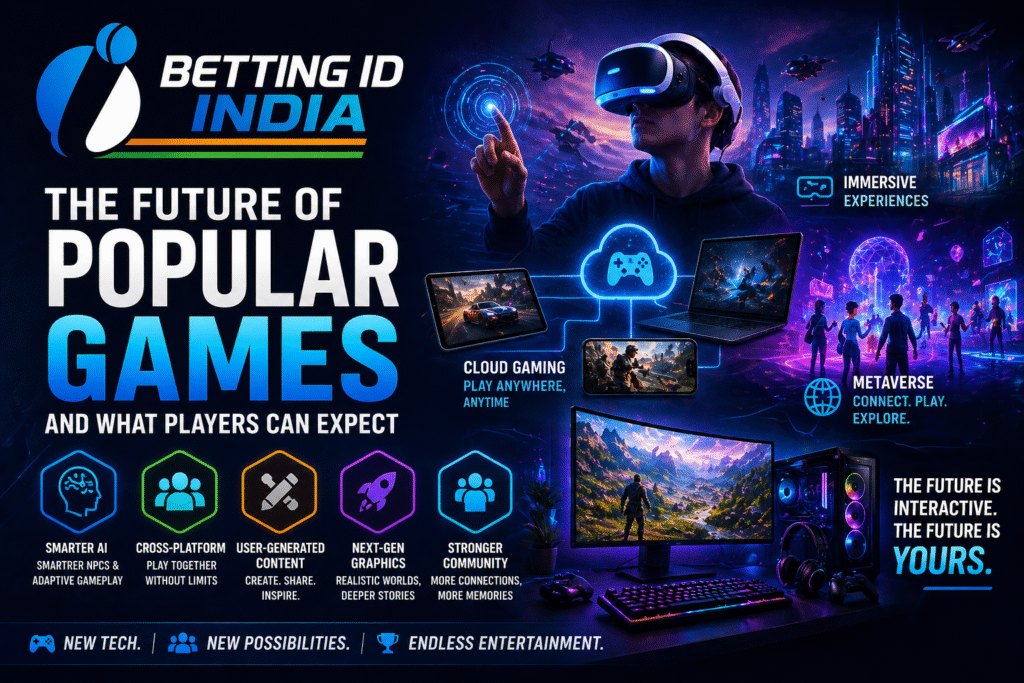
The gaming industry has never stood still, and the future promises even more rapid transformation. As technology continues to evolve, popular games are expected to become more immersive, more connected, and more personalized than ever before. What players experience today is only a glimpse of what lies ahead, as developers push the boundaries of creativity and innovation to deliver entirely new forms of entertainment.
One of the biggest shifts shaping the future of gaming is the rise of immersive technology. Virtual reality and augmented reality are gradually moving from niche concepts to mainstream experiences. Instead of simply controlling a character on a screen, players are beginning to step directly into the game world. This level of immersion changes how games are played, making interactions feel more natural and engaging. As hardware becomes more affordable and accessible, these technologies are likely to play a major role in defining the next generation of popular games.
Another important development is cloud gaming. Rather than relying on powerful consoles or expensive computers, players can stream games directly over the internet. This removes hardware limitations and allows users to play high-quality games on a wide range of devices, including smartphones, tablets, and low-end laptops. As internet speeds improve globally, cloud gaming will make it easier for more people to access top-tier gaming experiences without significant investment.
Artificial intelligence is also expected to reshape how games are designed and played. Future games will feature smarter non-player characters that can adapt to player behavior in real time. This will create more dynamic and unpredictable gameplay, where no two experiences feel exactly the same. AI can also be used to personalize content, offering players challenges and storylines tailored to their individual preferences and play styles.
The concept of interconnected digital worlds is another trend gaining attention. Instead of isolated games, players may soon experience shared environments where different games and activities are linked together. These spaces allow users to socialize, compete, and create content within a unified ecosystem. This idea is already beginning to take shape and is expected to grow significantly in the coming years, offering players more freedom and interaction than ever before.
In addition, cross-platform integration will continue to expand. Players no longer want to be restricted by the device they use. Whether someone is playing on a console, PC, or mobile phone, they expect a seamless experience. Developers are increasingly focusing on making games accessible across multiple platforms, allowing friends to play together regardless of their chosen device. This approach not only strengthens gaming communities but also increases the reach of popular titles.
Monetization models are also evolving. While free-to-play games have already proven successful, future models will likely focus more on fairness and player satisfaction. Developers are becoming more aware of the importance of maintaining balance and avoiding systems that feel overly restrictive or pay-driven. This shift aims to create a healthier gaming environment where players feel rewarded for their time and effort.
Another key aspect of the future is user-generated content. Many games are already allowing players to design their own levels, characters, and experiences. This trend is expected to grow, giving players more creative control and turning games into platforms rather than fixed products. When players contribute to the content, games become more diverse and continuously evolving.
The social side of gaming will also become even stronger. Games are increasingly acting as virtual meeting spaces where people gather not just to play, but to communicate and share experiences. Events, collaborations, and live interactions within games are becoming more common, blurring the line between gaming and social networking.
At the same time, developers will continue to focus on storytelling and emotional engagement. As technology improves, games will be able to deliver deeper narratives with more realistic characters and environments. This will allow players to form stronger connections with the stories they experience, making games more impactful and memorable.
Looking ahead, the future of popular games is filled with possibilities. From immersive technologies and cloud-based access to smarter AI and global connectivity, the gaming landscape is set to become more advanced and inclusive. For players, this means more freedom, more creativity, and more ways to connect with others through gaming.
🎯 The Impact of Popular Games on Society and Daily Life
As popular games continue to grow in reach and influence, their impact is no longer limited to entertainment alone. Gaming has become deeply integrated into daily life, shaping how people communicate, learn, relax, and even build careers. What was once considered a niche hobby is now a widespread cultural activity that connects individuals across different age groups and backgrounds.
One of the most noticeable effects of popular games is how they bring people together. Multiplayer experiences allow players to interact in real time, regardless of physical distance. Friends who live in different cities—or even different countries—can still spend time together through gaming. This has made games an important tool for maintaining relationships in an increasingly digital world. For many, logging into a game is not just about playing, but about catching up, sharing moments, and staying connected.
Gaming has also influenced communication styles. Voice chat, quick messaging, and in-game teamwork require players to think and respond quickly. Over time, this has helped many individuals improve their communication and coordination skills. In team-based games, players often learn how to cooperate, assign roles, and work toward shared goals. These experiences can translate into real-life situations, such as group projects or workplace collaboration.
Another major impact of popular games is their role in stress relief. After a long day, many people turn to gaming as a way to unwind and escape from daily pressures. Games provide a space where players can focus on challenges, explore new environments, or simply enjoy a sense of achievement. This form of relaxation can be especially valuable in fast-paced lifestyles where finding time to disconnect is difficult.
In addition to relaxation, gaming has opened up new career opportunities. The rise of esports has turned competitive gaming into a professional field, where skilled players can compete for recognition and financial rewards. Beyond professional play, there are also opportunities in content creation, streaming, game development, and event management. Many individuals have built full-time careers around their passion for gaming, something that was almost unimaginable a few decades ago.
Education is another area where gaming has made a significant impact. Certain games encourage problem-solving, strategic thinking, and creativity. Players are often required to make decisions, manage resources, and adapt to changing situations. These skills can be useful beyond the game itself, helping individuals develop critical thinking abilities. Some educational platforms even use game-like elements to make learning more engaging and interactive.
However, the influence of gaming is not without challenges. Spending excessive time on games can affect physical activity and daily routines if not managed properly. Maintaining a healthy balance is important to ensure that gaming remains a positive part of life rather than a distraction from responsibilities. Awareness and self-control play key roles in making sure that gaming habits stay beneficial.
Another aspect worth noting is how games influence culture and trends. Popular games often introduce new styles, language, and behaviors that spread quickly among players. From in-game dances to catchphrases, gaming culture frequently extends beyond the screen into everyday life. This influence can be seen in social media, fashion, and even mainstream entertainment.
Gaming has also become a platform for creativity and self-expression. Many modern games allow players to customize characters, build worlds, and create unique content. This freedom encourages imagination and gives players a sense of ownership over their experiences. In some cases, communities form around shared creations, further strengthening the social aspect of gaming.
Parents and families are also becoming more involved in gaming. Instead of viewing it as an isolated activity, many households now see it as a way to spend time together. Family-friendly games provide opportunities for shared fun and bonding, helping bridge generational gaps through a common interest.
Overall, the impact of popular games on society is both wide-ranging and constantly evolving. They have changed how people interact, learn, and entertain themselves, becoming a central part of modern life. When approached with balance and awareness, gaming can offer meaningful benefits, from building connections to developing valuable skills.
🏁 Conclusion: Why Popular Games Continue to Shape the Future of Entertainment
Popular games have grown far beyond their original purpose of simple entertainment. They now represent a powerful blend of technology, creativity, and human connection. As explored throughout this article, the success of modern games is not based on a single factor but rather a combination of accessibility, innovation, and the ability to bring people together in meaningful ways.
One of the key reasons games continue to thrive is their adaptability. The gaming industry evolves quickly, responding to new technologies and changing player expectations. Whether it is improved graphics, smoother gameplay, or new ways to connect with others, developers consistently find ways to keep the experience fresh. This constant evolution ensures that gaming never feels outdated, making it one of the most dynamic forms of entertainment available today.
Another important aspect is the emotional connection that games create. Unlike passive forms of entertainment, games allow players to actively participate in the experience. This interaction makes achievements feel more rewarding and challenges more engaging. Players are not just watching a story unfold—they are shaping it through their actions. This sense of involvement creates lasting memories and encourages players to return again and again.
The role of community cannot be overlooked either. Popular games often succeed because they create spaces where people can interact, collaborate, and compete. These communities extend beyond the game itself, forming on social platforms, forums, and streaming channels. Players share tips, celebrate victories, and support each other, turning gaming into a shared journey rather than an individual activity. This strong sense of belonging is one of the most powerful drivers of long-term popularity.
In addition, the accessibility of gaming has played a major role in its widespread appeal. With the rise of mobile gaming and cross-platform compatibility, more people can participate than ever before. Players no longer need expensive setups to enjoy high-quality games, which has opened the door to a global audience. This inclusivity has helped gaming become a universal form of entertainment that transcends age, location, and background.
Looking ahead, the future of popular games appears incredibly promising. Advancements in areas such as artificial intelligence, virtual reality, and cloud gaming will continue to push the boundaries of what is possible. These technologies will make games more immersive, more personalized, and more connected. Players can expect experiences that feel increasingly realistic and interactive, blurring the line between the digital and physical worlds.
At the same time, it is important to approach gaming with balance. While games offer many benefits, including relaxation, social interaction, and skill development, maintaining a healthy routine ensures that these advantages are fully realized. When enjoyed responsibly, gaming can be a positive and enriching part of everyday life.
Another reason for the lasting influence of popular games is their ability to inspire creativity. From building virtual worlds to customizing characters, players are given tools to express themselves in unique ways. This creative freedom adds another layer of depth to gaming, transforming it from a passive activity into an interactive art form.
Ultimately, popular games continue to shape the future of entertainment because they combine innovation with human connection. They provide spaces where people can explore, compete, create, and communicate, all within engaging digital environments. As technology advances and communities grow stronger, gaming will remain at the forefront of modern culture.
In conclusion, the journey of popular games is far from over. With endless possibilities on the horizon, gaming will continue to evolve, offering new experiences that captivate and connect players around the world. Whether you are a casual player or a dedicated enthusiast, one thing is certain—the world of gaming will only become more exciting in the years to come.
🤝 Our Partner Website & Trusted Betting Network
In the fast-growing world of popular games and online platforms, trust and reliability play a major role in shaping user experience. As the demand for popular games continues to rise, players are not only looking for engaging gameplay but also for secure and trusted environments where they can enjoy these popular games with confidence. This is where strong partnerships and trusted networks become essential.
Our platform is committed to connecting users with reliable and well-established services within the gaming ecosystem. By collaborating with trusted partners, we aim to enhance the overall experience of popular games while maintaining transparency and user safety. These partnerships ensure that users have access to platforms that are designed with quality, performance, and security in mind.
One of the key aspects of any trusted betting network is credibility. Players who engage with popular games often look for platforms that are widely recognized and have a strong reputation in the industry. A trusted partner not only provides a smooth user experience but also ensures that all activities are conducted fairly and securely. This level of trust encourages more users to explore and enjoy popular games without hesitation.
As part of our trusted network, we naturally recommend platforms that align with these values. For users looking to explore a reliable option, you can check out dream11.global. This platform is known for its growing presence and user-focused approach, making it a noteworthy addition within the broader ecosystem connected to popular games. Integrating such platforms into our network allows us to provide users with more choices while maintaining a high standard of quality.
Another important factor in building a trusted betting network is user experience. Platforms associated with popular games must be easy to navigate, responsive across devices, and designed to support seamless interaction. Whether users are accessing services through mobile or desktop, a consistent and smooth experience builds confidence and encourages long-term engagement.
Security is equally important when discussing trusted networks. Users expect their data and transactions to be handled with care, especially when interacting with platforms connected to popular games. Trusted partners prioritize data protection, secure systems, and transparent policies to ensure users feel safe at all times. This commitment to security strengthens the relationship between platforms and their users.
In addition, a strong network provides better accessibility. By connecting multiple platforms and services, users can explore different aspects of popular games without limitations. This interconnected approach allows for greater flexibility and convenience, making it easier for users to find what they are looking for within a single ecosystem.
The role of partnerships also extends to innovation. Collaborating with trusted platforms enables continuous improvement and the introduction of new features. As popular games evolve, these partnerships help ensure that users always have access to updated and relevant experiences. This forward-thinking approach keeps the entire network dynamic and competitive.
Ultimately, our goal is to create a reliable environment where users can explore popular games with confidence. By building a network based on trust, quality, and user satisfaction, we aim to support the growing community of gamers and enthusiasts. Partnerships with credible platforms like dream11.global are part of this vision, helping us deliver a more secure and enjoyable experience.
As the landscape of popular games continues to expand, trusted networks will remain a key factor in shaping the future. By focusing on transparency, security, and collaboration, we ensure that users can fully enjoy everything the world of popular games has to offer without concerns.
❓ Frequently Asked Questions About Popular Games
🔹 What are popular games and why are they so widely played?
Popular games are titles that attract a large number of players across different platforms such as mobile, PC, and consoles. These popular games gain attention because they are easy to access, engaging to play, and often include multiplayer features. The reason popular games become widely played is their ability to connect players, provide regular updates, and offer exciting gameplay that keeps users coming back. In today’s digital world, popular games are not just about fun—they are part of everyday life and entertainment.
🔹 Which platforms have the most popular games?
Popular games are available on multiple platforms, including smartphones, gaming consoles, and personal computers. Mobile devices have seen a huge rise in popular games because they are convenient and affordable. At the same time, PC and console platforms continue to host some of the most advanced popular games with high-quality graphics and deeper gameplay. Cross-platform support has also made it easier for popular games to reach a wider audience, allowing players to enjoy the same experience regardless of their device.
🔹 What makes popular games different from other games?
The main difference between popular games and regular games is the level of engagement and player base. Popular games are designed to keep players interested for long periods through challenges, rewards, and social interaction. These popular games often receive continuous updates, new features, and events that maintain player interest. In contrast, many other games may not offer the same level of long-term engagement or community involvement.
🔹 Are popular games free to play?
Many popular games follow a free-to-play model, allowing players to download and start playing without any initial cost. These popular games usually offer optional in-game purchases for customization, upgrades, or additional content. This approach makes popular games more accessible to a global audience. However, there are also premium popular games that require a one-time purchase but provide a complete gaming experience without additional costs.
🔹 Why do popular games focus on multiplayer features?
Multiplayer functionality is a key reason why popular games attract millions of players. These popular games allow users to compete, cooperate, and communicate with others in real time. The social aspect of popular games creates a sense of community and excitement, making the experience more dynamic. Players often return to popular games not just for gameplay, but to interact with friends and other gamers around the world.
🔹 How do updates affect the success of popular games?
Regular updates are essential for maintaining the success of popular games. Developers introduce new content, features, and improvements to keep the gameplay fresh. These updates ensure that popular games remain interesting and relevant over time. Without updates, even the most popular games can lose their audience. Continuous improvement is what helps popular games stay at the top of the gaming industry.
🔹 Can playing popular games improve skills?
Yes, playing popular games can help develop various skills. Many popular games require strategic thinking, quick decision-making, and teamwork. Players often improve their coordination, communication, and problem-solving abilities while playing popular games. Additionally, some popular games encourage creativity and planning, which can be beneficial in real-life situations as well.
🔹 Are popular games suitable for all age groups?
Popular games are designed for a wide range of audiences, but not all games are suitable for everyone. Some popular games are family-friendly, while others may contain content intended for mature players. It is important for players and parents to check ratings and choose popular games that match their preferences and age group. The diversity of popular games ensures that there is something available for everyone.
🔹 What is the future of popular games?
The future of popular games looks promising, with advancements in technology driving new experiences. Popular games are expected to become more immersive with virtual reality, more accessible through cloud gaming, and more personalized with artificial intelligence. As technology evolves, popular games will continue to grow in popularity and offer even more engaging experiences for players worldwide.
🔹 How can someone start playing popular games?
Getting started with popular games is simple. Players can choose a platform, download a game, and begin playing within minutes. Many popular games offer tutorials to help beginners understand the basics. With so many options available, new players can easily find popular games that match their interests and skill levels.
🏁 Conclusion: The Ever-Growing Influence of Popular Games
Popular games have firmly established themselves as one of the most powerful forms of modern entertainment. Over time, popular games have evolved from simple digital activities into complex, engaging experiences that attract millions of players every day. The continuous rise of popular games highlights how technology, creativity, and community have come together to reshape how people interact, relax, and compete in the digital age.
One of the main reasons popular games continue to dominate the entertainment industry is their accessibility. Today, popular games are available on mobile devices, PCs, and gaming consoles, allowing players from different backgrounds to participate بسهولة. This wide availability ensures that popular games reach a global audience, making them more inclusive than ever before. As more people gain access to smartphones and internet connectivity, the reach of popular games continues to expand rapidly.
Another key factor behind the success of popular games is their engaging nature. Popular games are designed to keep players interested through rewards, challenges, and interactive features. Whether it is completing missions, unlocking achievements, or competing with others, popular games provide constant motivation for players to stay involved. This level of engagement is what separates popular games from ordinary games, as they create experiences that players want to return to regularly.
The social aspect of popular games also plays a significant role in their ongoing popularity. Many popular games include multiplayer modes that allow players to connect with friends and other gamers around the world. These interactions make popular games more than just a pastime—they become social platforms where people communicate, collaborate, and build relationships. In many cases, players log into popular games not only to play but also to spend time with their gaming communities.
Innovation is another driving force behind the growth of popular games. Game developers constantly introduce new features, improved graphics, and advanced gameplay mechanics to keep popular games fresh and exciting. Technologies such as virtual reality, cloud gaming, and artificial intelligence are already influencing the development of popular games, making them more immersive and interactive. As these technologies continue to improve, popular games will offer even more realistic and engaging experiences.
Popular games also contribute to personal development in various ways. Many popular games require strategic thinking, quick decision-making, and teamwork. These skills can be useful in real-life situations, making popular games both entertaining and beneficial. Additionally, some popular games encourage creativity by allowing players to build, design, and customize their own virtual worlds. This creative freedom adds another dimension to the appeal of popular games.
The economic impact of popular games cannot be ignored either. The gaming industry has become a major global market, generating significant revenue and creating job opportunities. From game development and design to esports and content creation, popular games have opened new career paths for individuals around the world. This growth further reinforces the importance of popular games in today’s digital economy.
At the same time, it is important to maintain balance while enjoying popular games. While popular games offer numerous benefits, excessive gaming can affect daily routines if not managed properly. Responsible gaming ensures that players can enjoy popular games while maintaining a healthy lifestyle. Awareness and moderation are key to making the most out of the gaming experience.
Looking ahead, the future of popular games appears brighter than ever. With continuous advancements in technology and increasing global connectivity, popular games will continue to evolve and reach new heights. Players can expect more immersive environments, better social integration, and innovative gameplay features that redefine the gaming experience.
In conclusion, popular games have become a central part of modern culture, influencing how people entertain themselves and connect with others. Their accessibility, engagement, and ability to bring people together ensure that popular games will remain relevant for years to come. As the gaming industry continues to grow, popular games will keep shaping the future of digital entertainment, offering endless possibilities for players worldwide.
 Get WhatsApp ID Now